
In a workshop, speed does not come from cutting as quickly as possible. It comes from making each preparation step repeatable, so the next connection, assembly or repair proceeds without rework. A tool that feels comfortable in the hand, reaches the material properly and leaves a predictable cut can make a noticeable difference during repetitive tasks. Understanding the relationship between leverage, material and working position helps technicians build a more efficient routine.
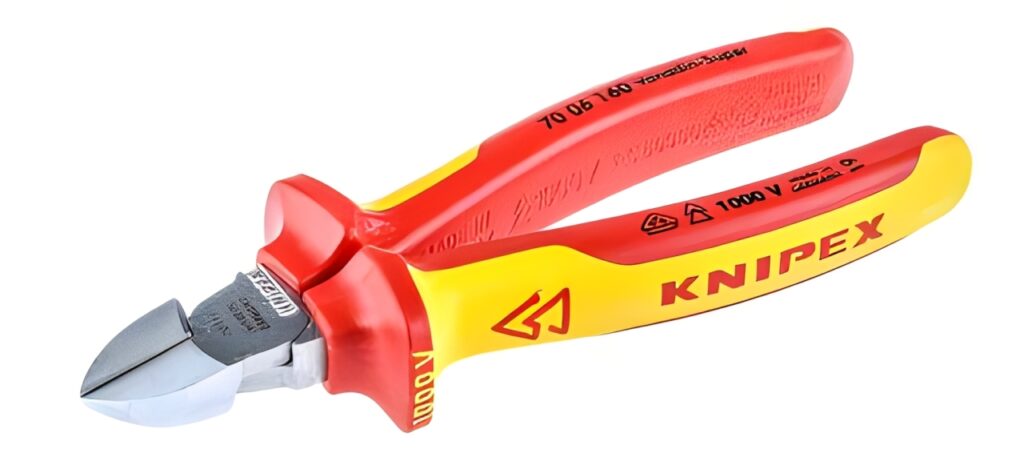
A Knipex 70 01 180 Wire Cutter is an example of a diagonal cutter used for suitable wire-cutting jobs. Rather than evaluating one model, this article explores what makes a cutting workflow efficient, how to reduce unnecessary hand strain and why different stages of wire preparation often require different tools. The aim is practical guidance for electronics benches, maintenance departments and assembly stations.
What Does an Efficient Wire-Cutting Workflow Look Like?
A well-organised workflow begins before the handles close. Confirm the required finished length, identify where the offcut will travel and position the work so the cutting head approaches without twisting. If several conductors must be equal, mark or jig the length instead of repeatedly estimating by eye.
Keep bins for discarded pieces close enough to prevent scraps collecting near terminals or sensitive circuits. Tiny offcuts can cause damage if they fall inside electrical equipment. Consistency in preparation makes downstream assembly more predictable.
Why Does Tool Leverage Matter During Repeated Cutting?
Pliers and cutters use a pivot to convert hand force into force at the jaws. Handle length and the position of the cutting edges influence how much effort a task requires. However, leverage is not a licence to exceed the tool’s rated cutting capacity.
Material makes a substantial difference. Soft copper, medium-hard wire and hardened steel create different loads on the edges. The same tool may have separate permissible diameters for each material. Check the manufacturer’s rating and use an appropriate cutter if the work is beyond it.
How Can Ergonomics Reduce Fatigue?
Repetitive tasks become harder when the workpiece is too far away, the wrist remains bent or the handles are uncomfortable to operate. Position the cutting point at a practical height and keep the elbows reasonably close to the body.
Which Habits Help During Long Sessions?
- Choose suitable grip dimensions: The handles should allow secure control without excessive stretching.
- Support the material: A stable workpiece reduces the need to grip and cut simultaneously.
- Alternate tasks: Organise work so one movement is not repeated continuously without variation.
- Keep edges sound: Damaged cutting edges increase the force needed and can spoil the result.
- Allow clearance: Avoid forcing the head into a space that requires an awkward wrist angle.
The best approach combines suitable tool design with sensible workstation organisation.
When Do Combination Pliers Make More Sense?
Cutting is often only one step in an assembly. The next task may involve gripping a wire, bending a loop or positioning a small metal part. A dedicated diagonal cutter works well for severing suitable material, but it is not designed to hold every component securely.
For mixed tasks, Combination Pliers provide gripping and cutting functions within a different jaw design. Choosing between them depends on access, material and the quality of cut required. Trying to perform every operation with one tool can make precision work slower rather than faster.
How Does Material Selection Change the Cutting Approach?
Solid copper conductors, stranded wire, cable ties and hard metal wire behave differently at the jaws. Stranded conductors may spread if cut with unsuitable edges, while hard materials can chip tools that are rated only for softer wire.
Before working on unfamiliar material, identify its composition and approximate diameter. Avoid using diagonal cutters on cable types, tensioned strands or steel components unless the tool and method are approved for that task. When the resulting wire end must fit into a terminal, inspect it for deformation and loose strands.
Why Should Cutting and Termination Be Planned Together?
Preparing conductors is a sequence: measure, cut, strip where necessary, fit the appropriate termination and inspect the connection. A good cut cannot compensate for an incorrectly sized ferrule or a poorly made crimp.
Suitable Crimp Tools are designed to form particular terminals with approved dies and controlled compression. They serve a different purpose from cutting tools. Keeping the processes separate helps avoid damaged contacts and supports consistent assembly quality, especially when preparing multiple cables for a control cabinet.
What Quality Checks Are Worth Making?
A quick visual check after each group of cuts can identify flattened ends, unexpected burrs or inconsistent lengths. Inspect the tool if results suddenly change. A cutting edge may have been damaged by a hard material, even though its handles still operate normally.
Where a production process demands traceability, record the tool type and any important inspection criteria. For occasional workshop use, a simple checklist may be enough. The goal is to catch errors before they become failed terminations or wasted materials.
How Can Workshops Choose a More Complete Tool Setup?
A productive bench does not rely on the most expensive single cutter. It uses a small, correctly matched set of tools for cutting, holding, shaping and terminating conductors. Organised Plier Sets can help teams assemble complementary tools for recurring tasks, provided each item is suited to the application. Check that cutters have the required material ratings and that ordinary plastic-coated grips are not mistaken for certified live-working insulation. With thoughtful selection, consistent preparation and routine inspection, workshops can reduce avoidable rework while improving day-to-day cutting efficiency.