
Exploring Versatile Laboratory Glassware for Mixing, Preparation, Heating and Scientific Research
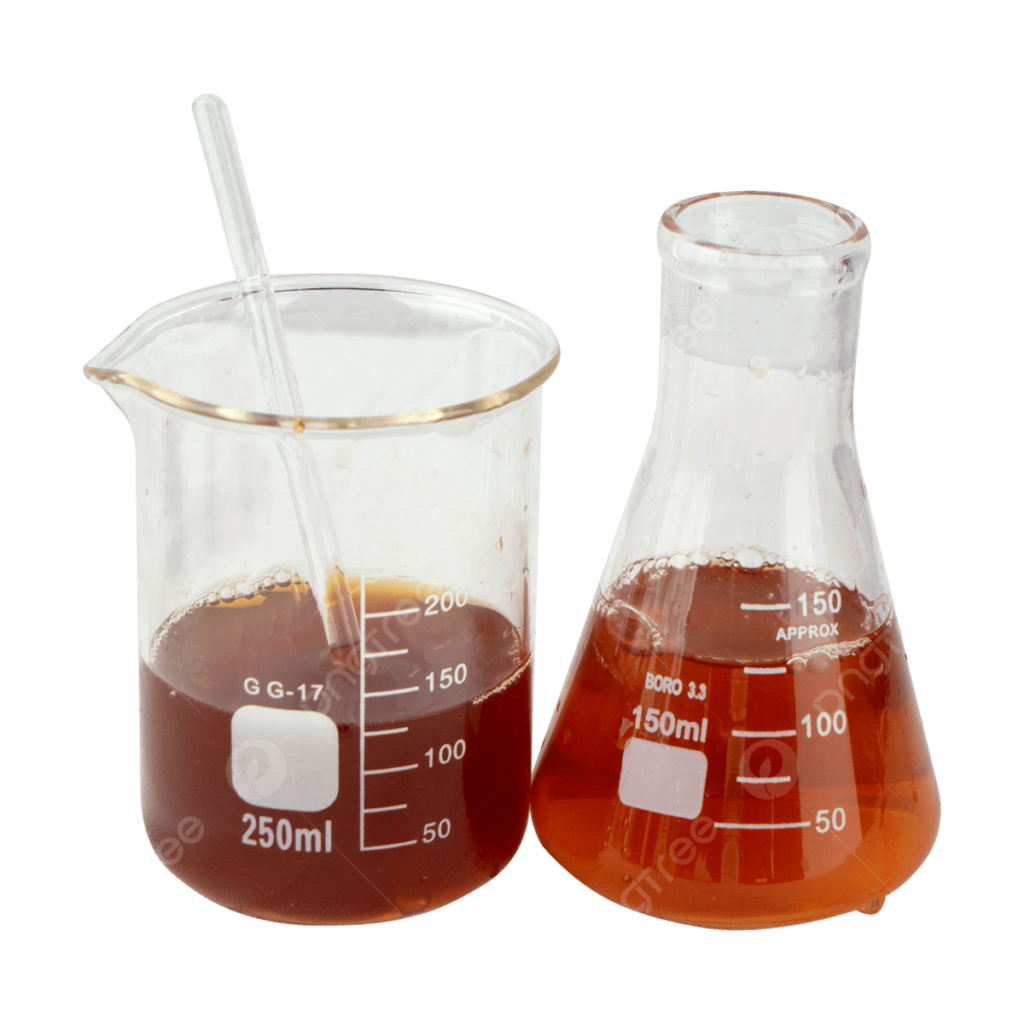
Every laboratory requires reliable equipment for preparing solutions, handling chemicals and carrying out daily experimental procedures. Beakers And Erlenmeyer Flasks are among the most commonly used pieces of laboratory glassware because they provide practical solutions for mixing, transferring, heating and storing liquids. Their simple yet effective designs make them valuable across chemistry, biology, pharmaceutical research, education and industrial laboratories.
Although they may appear basic compared with advanced analytical instruments, beakers and Erlenmeyer flasks play a fundamental role in creating organised and efficient laboratory workflows.
What Makes Laboratory Glassware Important?
Laboratory glassware is designed to provide controlled environments for handling chemical substances and biological materials.
Unlike ordinary containers, scientific glassware is manufactured with specific properties that support laboratory requirements, including:
- Chemical resistance
- Temperature tolerance
- Transparency for observation
- Easy cleaning
- Compatibility with laboratory procedures
Choosing the correct glassware helps researchers perform experiments more safely while maintaining consistency between procedures.
Different laboratory vessels serve different purposes, and understanding their applications allows scientists to select the right tool for each task.
What Are Beakers Used For?
Beakers are cylindrical containers with flat bottoms and pouring spouts that make them highly practical for everyday laboratory activities.
They are commonly used for:
- Preparing chemical solutions
- Mixing liquids
- Dissolving solid substances
- Heating samples
- Holding temporary mixtures
- Transferring liquids
Beakers are available in different sizes, allowing laboratories to select suitable volumes depending on their requirements.
Although many beakers include graduation markings, these measurements are generally approximate rather than intended for highly precise analytical work.
For applications requiring exact solution preparation, laboratories typically use specialised volumetric equipment.
How Do Erlenmeyer Flasks Differ From Beakers?
Erlenmeyer flasks have a unique conical shape with a narrow neck and wider base. This design provides several advantages during laboratory procedures.
The narrow opening reduces splashing and evaporation, while the stable base allows the flask to remain upright during mixing or storage.
Erlenmeyer flasks are particularly useful for:
- Swirling solutions
- Preparing cultures
- Mixing chemical reactions
- Heating liquids
- Temporary sample storage
Their shape makes them suitable for procedures where controlled movement of liquids is required.
Why Is Glassware Selection Important for Solution Preparation?
Different laboratory processes require different levels of accuracy.
For example, preparing a standard chemical solution requires more precise measurement compared with general mixing.
Volumetric Flasks And Vessels, Volumetric Analysis are designed for accurate preparation of solutions with known concentrations.
In a typical workflow, a chemical may first be dissolved in a beaker before being transferred into a volumetric flask for final volume adjustment.
This demonstrates how different glassware types work together rather than replacing one another.
The Role of Beakers in Sample Preparation
Before samples are analysed using advanced instruments, they often require preparation steps such as mixing, dilution or chemical treatment.
Beakers provide a convenient environment for these early preparation stages.
They allow researchers to:
- Combine different substances
- Observe colour changes
- Adjust solution conditions
- Prepare samples before analysis
Once prepared, samples may then be transferred into specialised containers depending on the analytical technique being used.
Supporting Analytical Workflows With Cuvettes
Some laboratory procedures require prepared samples to be analysed using optical measurement techniques.
Cuvettes And Cells are specialised sample containers used in spectroscopy and other optical measurement applications.
A common workflow may involve preparing a solution in a beaker before transferring a measured amount into a cuvette for instrumental analysis.
This highlights the importance of selecting appropriate equipment at every stage of laboratory work.
Why Are Test Tubes Used Alongside Beakers And Flasks?
While beakers and flasks are useful for larger-volume preparation, smaller samples often require different containers.
Test Tubes And Sample Tubes support applications involving small-volume reactions, sample storage and laboratory testing.
Researchers often use beakers for preparing solutions and test tubes for conducting smaller-scale experiments or storing prepared samples.
Together, these different glassware options create flexible laboratory systems suitable for various research requirements.
How Do Funnels Improve Liquid Handling?
Transferring liquids between containers can create challenges, especially when working with narrow openings or valuable samples.
Funnels help improve liquid transfer by reducing spills and improving control during pouring.
Funnels are particularly useful when transferring solutions from beakers into flasks, storage containers or other laboratory vessels.
Using suitable transfer equipment helps reduce sample loss and improves laboratory safety.
The Importance of Laboratory Glass Quality
The performance of beakers and Erlenmeyer flasks depends heavily on the quality of the glass material.
High-quality laboratory glass provides:
- Resistance against many chemicals
- Better durability during repeated use
- Improved thermal stability
- Reliable transparency
However, even strong glassware requires proper handling. Sudden temperature changes, physical impact or incorrect cleaning methods may damage vessels.
Regular inspection helps laboratories identify damaged equipment before it affects safety or experimental accuracy.
Maintaining Beakers And Erlenmeyer Flasks
Proper maintenance helps extend the life of laboratory glassware.
Recommended practices include:
- Cleaning immediately after use
- Removing chemical residues
- Checking for cracks or chips
- Storing glassware safely
- Using suitable cleaning materials
Clean glassware is especially important when preparing analytical solutions because contamination can influence experimental outcomes.
Applications Across Different Industries
Beakers and Erlenmeyer flasks are used in many scientific environments.
Chemical Laboratories
Used for preparing solutions, mixing compounds and supporting synthesis procedures.
Pharmaceutical Research
Used during formulation development, testing and quality-control activities.
Biotechnology
Erlenmeyer flasks are commonly used for biological sample preparation and controlled mixing.
Education
Their simple design makes them ideal for teaching fundamental laboratory techniques.
Industrial Testing
Used for preparing samples and supporting quality-assurance processes.
Choosing the Right Laboratory Vessel
Selecting suitable glassware depends on several factors:
- Required volume
- Chemical compatibility
- Heating conditions
- Mixing requirements
- Accuracy needs
- Application type
A beaker may be ideal for general preparation, while an Erlenmeyer flask may be preferred for controlled mixing or storage.
Using the correct vessel improves efficiency and reduces unnecessary handling.
Building Efficient Laboratory Workflows
Beakers and Erlenmeyer flasks remain essential tools because they support many everyday laboratory procedures. Their versatility, durability and practical designs allow researchers to prepare solutions, manage samples and perform experiments efficiently.
By combining these basic glassware items with specialised equipment from Laboratory Glass Vessels Consumables, laboratories can create organised workflows that improve accuracy, safety and productivity.
From educational experiments to advanced scientific research, beakers and Erlenmeyer flasks continue to serve as reliable foundations for laboratory success.