
Introduction
Chemical laboratories depend on reliable labware to prepare samples, measure materials, transfer liquids, control reactions, separate mixtures, and analyse results. From routine testing to advanced research, the right labware helps improve accuracy, safety, repeatability, and workflow efficiency.
The Labware category includes essential laboratory products used for sample preparation, measuring, liquid transfer, filtration, storage, heating, mixing, chromatography, and routine chemical testing.
Why Is Labware Important in Chemical Laboratories?
Chemical work often involves precise quantities, controlled conditions, and materials that must be handled carefully. Poor-quality or unsuitable labware can affect results by causing contamination, inaccurate measurement, sample loss, leakage, or chemical incompatibility.
Good labware helps laboratories:
- Prepare samples consistently
- Store chemicals safely
- Measure liquids and solids accurately
- Reduce contamination risk
- Support repeatable testing
- Improve workflow organisation
- Protect instruments and samples
The correct choice depends on the chemical, method, volume, temperature, safety risk, and required accuracy.
What Glassware and Containers Are Commonly Used?
Glassware and containers are among the most basic but important items in chemical laboratories.
The Laboratory Glass, Vessels, Consumables category supports sample storage, solution preparation, reaction handling, and routine laboratory workflows.
Common items include:
- Bottles
- Beakers
- Flasks
- Test tubes
- Measuring cylinders
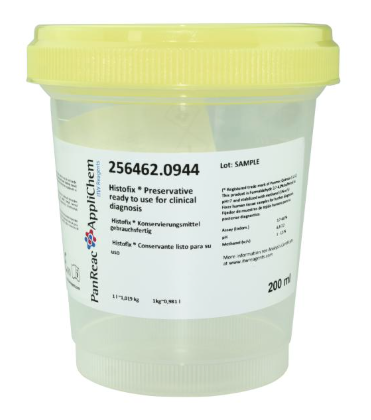
- Sample containers
- Caps and closures
- General consumables
Glass is useful for heat resistance, visibility, and chemical compatibility with many substances. Plastic containers may be selected for lightweight handling, safer transport, disposability, or resistance to breakage.
How Is Liquid Handling Equipment Used?
Chemical laboratories frequently measure, transfer, dilute, and dispense liquids.
The Liquid Handling category includes pipettes, syringes, bottle top dispensers, pumps, sampling tools, reservoirs, controllers, and related accessories.
Liquid handling tools are used for:
- Preparing dilutions
- Adding reagents
- Transferring samples
- Dispensing solvents
- Filling tubes or vessels
- Sampling liquid materials
- Supporting titration and testing workflows
Accurate liquid transfer is especially important when preparing standards, calibration solutions, reaction mixtures, and analytical samples.
Why Are Measuring Instruments Needed?
Chemical laboratories rely on measured data to make decisions.
The Measuring Instruments category includes balances, pH meters, conductivity instruments, temperature monitoring tools, test systems, sensors, and spectrophotometers.
These instruments support tasks such as:
- Weighing chemicals
- Checking pH
- Monitoring temperature
- Measuring conductivity
- Testing water quality
- Recording environmental conditions
- Analysing optical response
Reliable measuring instruments help laboratories control concentration, reaction conditions, sample quality, and analytical performance.
What Laboratory Appliances Are Used?
Many chemical procedures require controlled heating, cooling, stirring, shaking, drying, evaporation, or sample processing.
The Laboratory Appliances category includes equipment such as ovens, centrifuges, stirrers, shakers, water baths, mills, heating mantles, homogenisers, and rotary evaporators.
These appliances help laboratories:
- Mix solutions evenly
- Heat reactions safely
- Dry samples
- Separate materials
- Control temperature
- Recover solvents
- Prepare samples for analysis
Choosing suitable equipment helps improve consistency during chemical preparation and testing.
Why Is Filtration Important in Chemical Labs?
Filtration is used to remove particles, clarify solutions, protect instruments, and prepare samples for analysis.
The Filtration, Water Purification, Dialysis and Separation category supports workflows involving separation, purification, sample cleanup, and water preparation.
Filtration may be used for:
- Removing solids from liquids
- Preparing clear analytical samples
- Protecting chromatography systems
- Cleaning solutions before testing
- Separating unwanted particles
- Supporting water purification workflows
The correct filter material and pore size should match the sample, solvent, chemical compatibility, and final method.
How Is Chromatography Labware Used?
Chromatography is widely used in chemical laboratories for separating, identifying, and measuring compounds in mixtures.
The Chromatography category supports workflows such as LC, HPLC, GC, TLC, SPE, standards, sample bottles, columns, and chromatography accessories.
Chromatography labware helps with:
- Sample preparation
- Compound separation
- Purity checking
- Reaction monitoring
- Impurity analysis
- Solvent system development
- Quality-control testing
Clean vials, suitable columns, compatible solvents, reliable standards, and correct sample preparation tools all contribute to better chromatographic results.
How Do Chemical Labs Choose the Right Labware?
The best labware is selected according to the specific task.
Check Chemical Compatibility
Labware must resist the chemicals, solvents, reagents, acids, bases, or samples being used.
Match the Required Volume
Use equipment designed for the correct volume range to improve accuracy and reduce waste.
Consider Temperature Conditions
Heating, cooling, sterilisation, or freezing can affect material performance.
Think About Accuracy
Volumetric work, weighing, titration, and analytical preparation require more precise tools than general handling tasks.
Control Contamination Risk
Clean, compatible, and properly stored labware helps protect samples from unwanted interference.
Review Safety Requirements
Chemical handling may require suitable containers, controlled dispensing tools, spill control, and personal protection.
What Labware Supports Daily Chemical Testing?
Routine chemical laboratories often use a combination of:
- Beakers and flasks
- Sample bottles and containers
- Pipettes and tips
- Syringes and dispensers
- Balances and pH meters
- Thermometers and sensors
- Funnels and filters
- Stirrers and hotplates
- Chromatography vials and columns
- Storage bottles and closures
Together, these products support preparation, testing, analysis, storage, and quality-control workflows.
How Can Labware Improve Results?
Reliable labware improves laboratory performance by reducing avoidable errors.
Good practices include:
- Use clean containers for every sample
- Select compatible materials
- Calibrate measuring equipment when needed
- Match pipettes and tips correctly
- Avoid overloading vessels
- Inspect glassware for damage
- Store chemicals in suitable containers
- Use filtration before sensitive analysis
- Keep workflows consistent between tests
Small improvements in labware selection and handling can lead to stronger repeatability and better confidence in results.
Conclusion
Chemical laboratories use many types of labware, including glassware, containers, liquid handling tools, measuring instruments, laboratory appliances, filtration products, and chromatography supplies. Each product group supports a different stage of laboratory work, from sample collection and preparation to reaction control, measurement, separation, analysis, and storage.
Choosing the right labware improves accuracy, reduces contamination, protects samples, supports safer handling, and helps laboratories produce more reliable results.
By matching labware to the chemical method, sample type, volume, temperature, accuracy requirement, and safety needs, laboratories can build stronger workflows for research, quality control, analysis, teaching, and industrial testing.