
A control cabinet deserves attention even when the machinery it serves has stopped. Overnight shutdowns, weekend breaks and seasonal changes can expose equipment to conditions that differ from those experienced during production.
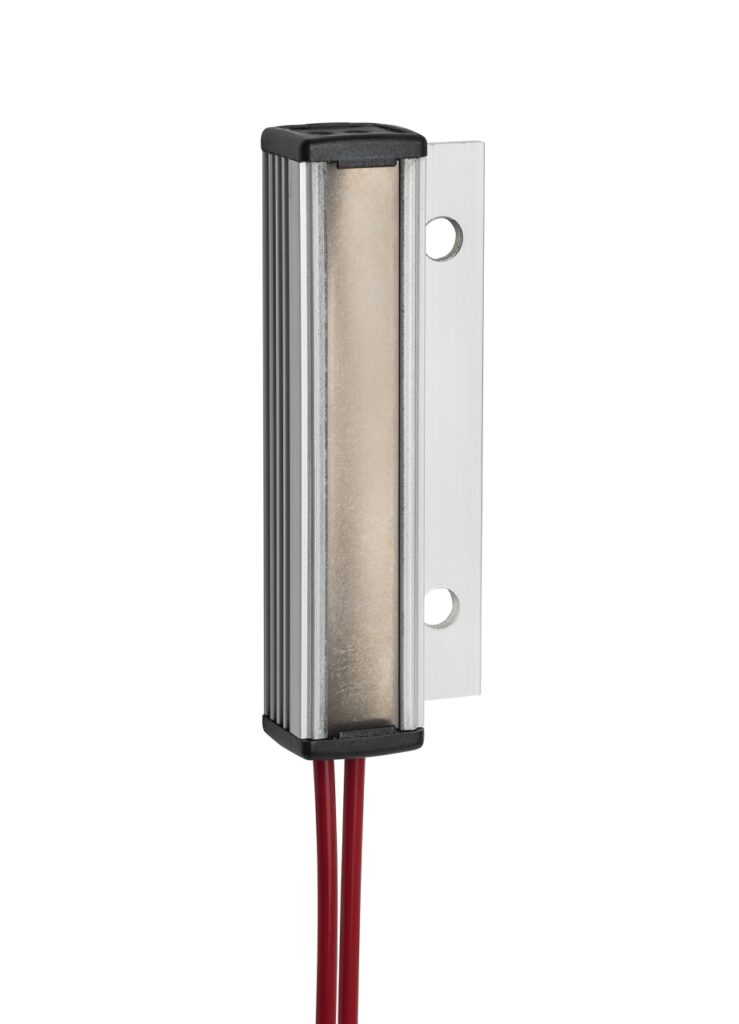
The STEGO Enclosure Heater provides compact heating for small electrical enclosures where condensation protection is required. Manufacturer part number 01662.0-00 belongs to the RC 016 range and uses a PTC heating element within an anodised aluminium profile. Its design supports continuous operation in suitable installations.
For maintenance teams, its value begins with understanding when the cabinet needs heat, how the enclosure behaves and what conditions must be maintained before equipment restarts.
Why Should Standby Conditions Shape the Heating Plan?
An operating cabinet may receive heat from its power supplies, drives and other electrical components. When equipment enters standby or shuts down, that contribution can change considerably.
A useful design review therefore considers several operating states: normal production, reduced activity, overnight standby and extended shutdown. Each may present a different heating requirement.
Record the expected ambient conditions and the minimum permitted temperature of the installed equipment. Then assess whether the proposed heater can meet those requirements when internal heat generation is at its lowest.
STEGO’s thermal calculation guidance considers enclosure dimensions, ambient conditions and the desired internal environment when determining heating capacity. A 10 W rating alone cannot establish suitability for every cabinet.
What Makes This Model Practical for Compact Installations?
The 01662.0-00 has a nominal heating capacity of 10 W, measured at an ambient temperature of 20°C. It accepts a 120–240 V AC/DC supply and uses screw fixing, allowing it to be incorporated into a planned enclosure layout. Its PTC element responds dynamically, so the nominal rating should not be interpreted as constant consumption under every condition.
The approximately 55 × 25 × 14 mm format is useful where mounting space is limited. However, the available installation area must also accommodate nearby wiring, service access and the thermal requirements of adjacent components.
A small component still needs a carefully considered position.
Which Cabinet Details Belong in the Design Brief?
Before selecting a heater, document the enclosure itself. Dimensions, construction, mounting arrangement and exposure to the surrounding environment all belong in the thermal assessment.
When comparing Wall Boxes for a new installation, consider the internal layout and environmental protection alongside the space required by the electrical equipment.
The heater’s own IP40 rating does not provide protection against water exposure. The surrounding enclosure must provide the protection required at the installation site, while the heater operates within the conditions specified by its manufacturer.
Keeping the enclosure drawing and heating calculation together also makes later changes easier to assess.
Could Moisture Be Entering Through Unused Openings?
Adding heat should follow an inspection of the cabinet’s condition. A damaged door seal, poorly fitted cable entry or abandoned opening deserves investigation before changes are made to the heating arrangement.
During a planned inspection, look for water marks, damaged sealing surfaces and openings left after equipment removal. Record where the evidence appears so that corrective work addresses the likely entry point.
Correctly selected Cable Gland Plugs can close unused entries when their thread, sealing arrangement and environmental rating match the enclosure.
Designed ventilation and drainage openings serve a separate purpose. Their treatment should follow the enclosure manufacturer’s instructions rather than a general attempt to close every opening.
How Should Heating and Ventilation Work Together?
A cabinet may need heating during cold periods and a separate strategy for releasing heat during operation. These requirements should be reviewed together, particularly when equipment operates intermittently.
Where the enclosure design calls for controlled air exchange or pressure equalisation, appropriate Enclosure Ventilation components should be selected according to the required protection and installation conditions.
STEGO offers pressure compensation devices that address temperature-related pressure differences. Some designs incorporate membranes that allow moisture vapour to escape while providing a barrier against water ingress. This is a distinct function from heating the enclosure.
Any proposed modification should preserve the cabinet’s intended environmental performance.
What Should a Seasonal Cabinet Check Record?
A useful inspection captures conditions at meaningful times. A reading taken during a warm afternoon may reveal little about a cabinet that becomes cold before the morning shift.
Suitable Thermohygrometers can support temperature and relative-humidity checks when their range, accuracy and measurement method suit the task.
A seasonal record could include:
- Conditions before normal production begins.
- Conditions during representative equipment operation.
- The duration of any preceding shutdown.
- Visible moisture, staining or corrosion.
- Changes to the enclosure, wiring or installed equipment.
Record the measurement position and whether the door was open. Consistent observations make comparisons more useful and help distinguish a recurring environmental pattern from an isolated event.
How Can the Installation Remain Easy to Service?
Service access should be considered while the layout is still being planned. Technicians need to identify the heater, inspect its connections and reach surrounding equipment without disturbing the installation unnecessarily.
The manufacturer requires installation by qualified electrical personnel and specifies use within stationary, closed electrical housings. Nearby components must be protected from the heater’s hot surfaces, and mounting on flammable materials is prohibited. Allow the unit to cool before removal. Where temperature regulation is required, use a suitable external thermostat.
Document the heater’s supply and isolation arrangements clearly. Planned standby and maintenance isolation are different operating conditions, and the cabinet documentation should make that distinction clear.
What Should Be Retained for Future Maintenance?
Create a short record containing the STEGO Enclosure Heater model number, installation date, mounting position, supply details and relevant control settings. Include the reasoning behind its selection and the conditions used during verification.
Revisit that record whenever equipment is added, the enclosure is relocated or operating hours change. A heater selected for one arrangement may need reassessment after those changes.
For replacement planning, retain the exact part number 01662.0-00 and its documentation. This gives the next technician a clear starting point for checking compatibility and maintaining the intended cabinet environment.