Introduction
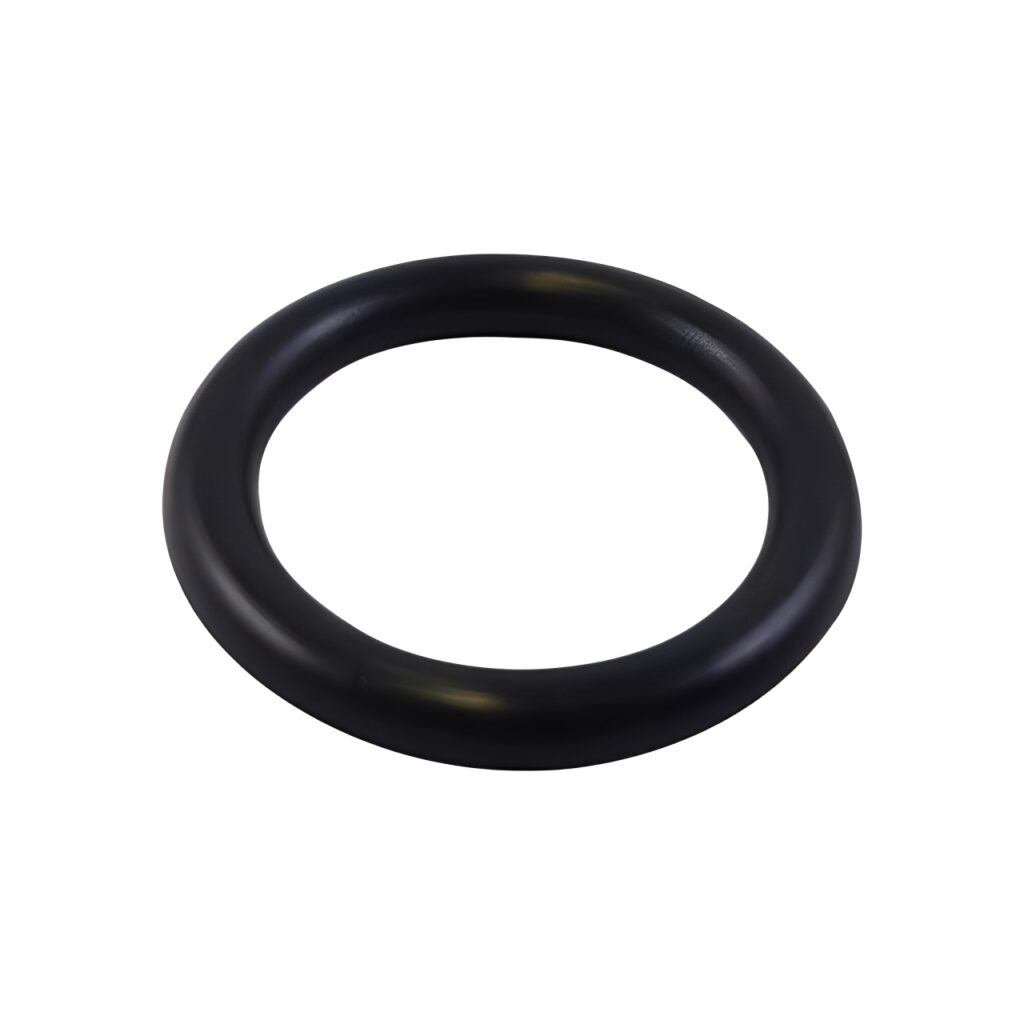
The RS PRO 21mm Bore O-Ring is a compact sealing component that creates a secure barrier between two connected surfaces. It helps control leaks, retain pressure, and protect equipment from contamination in mechanical, industrial, and electrical systems.
Although it may look simple, this circular seal plays an important role in daily maintenance and engineering work. When placed in a suitable groove, it compresses and blocks the flow of air, water, oil, gases, or dust. Therefore, it supports safer and more efficient operation across many applications.
Why is the RS PRO 21mm Bore O-Ring Useful?
An O-ring is useful because it provides a reliable seal in a small space. Instead of using complex sealing methods, engineers can fit an O-ring into a designed groove and create controlled compression between two surfaces.
The 21mm bore measurement refers to the internal diameter of the ring. This dimension matters because the seal must fit the part it surrounds. If the internal diameter is incorrect, the O-ring may stretch too much, sit loosely, or fail to seal properly.
For this reason, correct sizing is essential during replacement, repair, and assembly. A properly selected O-ring can improve sealing performance and reduce the chance of unwanted leaks.
How O-Rings Create a Tight Seal
O-rings work through compression. When two surfaces come together, the O-ring is squeezed into the available space. This pressure causes the seal to fill small gaps that might otherwise allow fluid or gas to escape.
In static applications, the joined parts usually remain still. In dynamic applications, one part may move while the O-ring maintains contact. However, movement, friction, pressure, and material type must be considered carefully.
A good seal depends on:
• Correct bore size
• Suitable cross-section thickness
• Clean groove design
• Compatible material
• Proper compression
• Smooth mating surfaces
• Suitable operating temperature
When these factors are correct, the O-ring can deliver stable sealing performance over time.
Where RS PRO 21mm Bore O-Ring Is Commonly Applied
The RS PRO 21mm Bore O-Ring can be used in many environments where a 21mm internal diameter is required. It is often selected for repair, maintenance, and assembly tasks in industrial systems.
Typical application areas include:
• Pumps and valves
• Pneumatic fittings
• Hydraulic systems
• Pipe connections
• Mechanical housings
• Industrial tools
• Connector assemblies
• Electrical enclosures
• Maintenance kits
In these settings, the O-ring helps protect equipment, reduce leakage, and support dependable operation. It can also help prevent dirt, moisture, oils, and dust from entering sensitive areas.
Why Sealing Matters in Electrical and Mechanical Systems
Sealing is not only important for fluid systems. It also supports protection in electrical and electronic equipment. Moisture and dust can damage internal parts or affect signal quality, especially where cables, connectors, sensors, switches, fuses, LEDs, controllers, microcontrollers, capacitors, and microprocessors are used.
For example, a sealed enclosure may help protect internal electronics from oils or moisture in a factory environment. Similarly, connectors and cable glands may rely on seals to keep contact points clean and stable.
In equipment such as laptops, diagnostic devices, and portable tools, sealing may also enhance durability by reducing the ingress of dust or liquids during normal handling.
What to Check Before Choosing an O-Ring
Selecting the right O-ring requires more than checking the bore size. The full operating conditions must be reviewed to ensure the seal performs properly.
Before choosing an O-ring, check:
• Internal diameter and cross-section
• Groove size and shape
• Operating pressure
• Temperature and thermal exposure
• Contact with oils, water, air, or chemicals
• Static or moving application
• Material compatibility
• Expected service life
For systems exposed to oils, the material must resist swelling and softening. For applications near heat sources, thermal resistance becomes important. If the O-ring is used near contactors, controllers, thermal pads, or power electronics, heat and enclosure conditions should be reviewed carefully.
How O-Rings Help Improve Safety
A reliable seal supports safer working conditions. Leaks can cause pressure loss, slippery surfaces, contamination, equipment damage, and unplanned downtime. In some applications, leakage may also create electrical or mechanical hazards.
By maintaining a controlled seal, an O-ring helps keep fluids and gases inside the system. It also reduces the chance of external contamination entering working parts.
This matters in industries where safety, accuracy, and uptime are important. A small seal can protect larger components and help prevent costly failures.
Maintenance Benefits of RS PRO 21mm Bore O-Ring
Maintenance teams often replace O-rings during scheduled servicing. This simple step can prevent breakdowns and keep machines working efficiently.
A worn O-ring may show signs of:
• Cracking
• Flattening
• Hardening
• Swelling
• Cuts or nicks
• Loss of flexibility
• Uneven wear
• Leakage marks
When these signs appear, replacement is usually recommended. Continuing to use a damaged seal can lead to poor performance and further equipment issues.
Because O-rings are compact and easy to store, they are useful in maintenance kits. Technicians can keep different sizes on hand for quick repairs to tools, pumps, fittings, grips, and assemblies.
Installation Tips for Better O-Ring Performance
Correct installation is important for long-lasting sealing. Even a suitable O-ring can fail early if it is twisted, overstretched, cut, or fitted into a dirty groove.
For better installation results:
• Clean the groove before fitting
• Remove old seal material and debris
• Check the O-ring for visible damage
• Use a suitable lubricant when allowed
• Avoid sharp tools during fitting
• Do not twist the O-ring
• Seat the seal evenly in the groove
• Close the assembly carefully
These steps help the O-ring compress evenly and reduce the risk of leaks after installation.
Why Material Compatibility Is Important
Different O-ring materials suit different applications. Some materials resist oils, while others perform better with water, air, heat, or chemicals. If the material does not match the application, the seal may fail early.
For example, exposure to unsuitable oils can cause swelling. High thermal conditions can harden certain materials. Chemical contact may weaken the surface. Therefore, material selection should always match the working environment.
This is especially important in equipment that combines mechanical parts with electronics, cables, sensors, switches, controllers, and power components.
Final Thoughts on RS PRO 21mm Bore O-Ring
The RS PRO 21mm Bore O-Ring is a practical sealing component for applications that require a 21mm internal diameter. It helps control leakage, maintain pressure, protect equipment, and support safe operation in many industrial and maintenance settings.
To achieve optimal performance, users should check the size, material, pressure rating, temperature range, and installation conditions before use. With proper selection and careful fitting, this small O-ring can provide dependable sealing support across mechanical, electrical, and industrial systems.