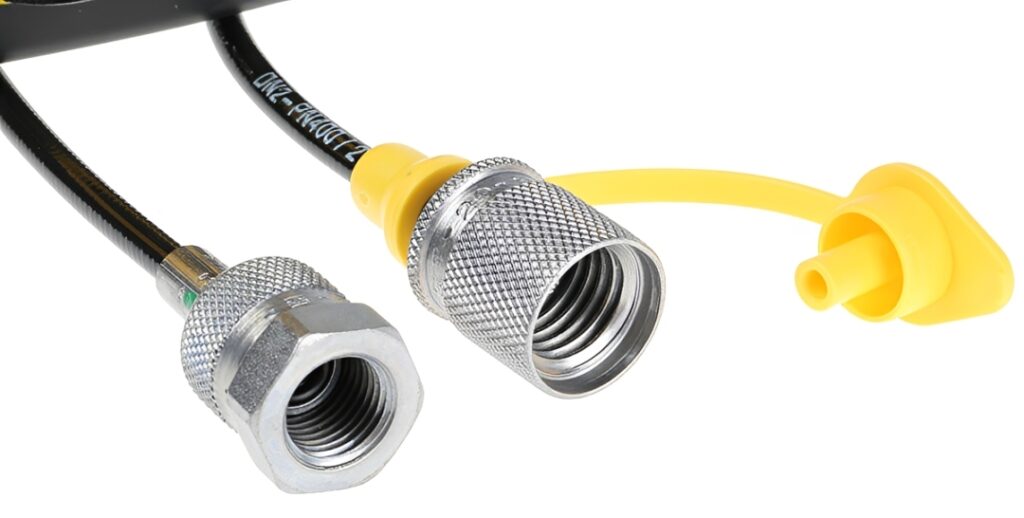
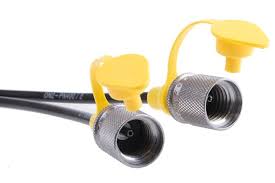
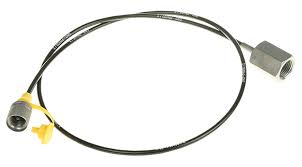
Stauff Hydraulic Test Point Hose is a key component used for safe and accurate pressure monitoring in hydraulic systems. It allows technicians to connect testing instruments without disturbing the main circuit, helping maintain system stability while collecting critical performance data. In industries where pressure control is essential, this hose supports both safety and efficiency.
Hydraulic systems often operate under high pressure and demanding conditions. Without proper testing methods, even small faults can lead to serious failures. By using a dedicated test point hose, maintenance teams can access system pressure quickly and safely, ensuring that equipment continues to perform as expected.
What Role Does It Play in Hydraulic Safety?
Safety is one of the most important factors in hydraulic operations. A Stauff Hydraulic Test Point Hose provides a controlled way to measure pressure, reducing the risks associated with direct system interference. Instead of loosening fittings or opening lines, technicians can use a secure test point connection.
This approach helps prevent fluid leaks, sudden pressure release, and exposure to hazardous conditions. It also allows maintenance teams to perform checks while keeping the system intact, which improves both safety and workflow efficiency.
In complex environments where electronics, sensors, and controllers are integrated into machinery, maintaining stable hydraulic pressure is critical. A reliable testing solution supports overall system safety and helps prevent unexpected malfunctions.
How Does It Support Accurate Pressure Monitoring?
Accurate pressure readings are essential for diagnosing system performance. The Stauff Hydraulic Test Point Hose ensures that measurement devices receive consistent and reliable pressure data from the system.
When technicians use a proper testing hose, they can:
- Verify system pressure against expected values
- Identify pressure drops or spikes
- Detect blocked flow paths
- Evaluate pump and valve performance
- Monitor system behaviour over time
These insights allow maintenance teams to make informed decisions. Instead of relying on guesswork, they can base actions on real data, which improves repair accuracy and system reliability.
Key Advantages of Using Stauff Hydraulic Test Point Hose
A high quality test point hose offers several benefits that support daily operations and long term maintenance strategies.
Enhanced Operational Safety
Using a dedicated hose reduces the need for direct contact with pressurised components. This lowers the risk of accidents during testing and creates a safer working environment for technicians.
Safety also extends to surrounding equipment. In systems that include connectors, cables, switches, and safety tools, stable hydraulic performance helps protect all connected components.
Efficient Maintenance Processes
Time saving is another major advantage. Technicians can connect the hose quickly, take readings, and proceed with diagnostics without lengthy system shutdowns. This improves productivity and reduces maintenance delays.
Reliable System Diagnostics
A dependable hose supports consistent pressure readings, which helps identify issues such as leaks, worn seals, or inefficient pumps. Accurate diagnostics reduce unnecessary part replacements and improve service quality.
Long Term Equipment Protection
Regular pressure monitoring helps prevent major failures. By detecting early signs of wear, maintenance teams can take corrective action before serious damage occurs. This extends equipment lifespan and improves operational efficiency.
Where Is It Commonly Used?
Stauff Hydraulic Test Point Hose is widely used in applications where hydraulic systems require regular inspection and testing. Its versatility makes it suitable for many industries.
Typical use cases include:
- Industrial machinery and automation systems
- Construction and heavy equipment
- Agricultural machines
- Manufacturing plants
- Maintenance and repair workshops
- Fluid power testing environments
In advanced systems, hydraulic components often work alongside microcontrollers, microprocessors, LEDs, and control units. Even though these elements serve different functions, they rely on consistent system performance. Accurate pressure testing helps maintain that balance.
What Features Define a High Quality Test Hose?
Selecting the right hose is essential for achieving reliable results. A well designed hydraulic test point hose should meet the demands of the operating environment.
Important features include:
- High pressure tolerance suitable for the system
- Flexible design for easy handling in confined spaces
- Strong and secure fittings for leak free connections
- Resistance to oils and hydraulic fluids
- Durable outer layer for industrial conditions
- Compatibility with gauges and testing connectors
Resistance to oils is particularly important because hydraulic systems depend on fluid power. The hose must maintain its integrity even with continuous exposure to hydraulic oils and varying temperatures.
In environments where thermal factors are present, nearby components such as thermal pads and cooling systems may influence working conditions. Choosing durable equipment helps ensure consistent performance.
How Does It Improve Maintenance Efficiency?
Maintenance efficiency improves when technicians have access to accurate and immediate system data. A Stauff Hydraulic Test Point Hose allows quick pressure checks, reducing the time needed to identify faults.
For example, if a machine shows reduced performance, technicians can connect the hose and confirm whether pressure levels are correct. If pressure is normal, they can focus on other areas such as valves, grips, or flow restrictions. This targeted approach reduces downtime and speeds up repairs.
It also supports preventive maintenance. Regular testing helps identify gradual changes in system performance, allowing maintenance teams to address issues before they become critical.
Best Practices for Safe Usage
To ensure safe and effective use, technicians should follow proper handling and maintenance practices.
Key recommendations include:
- Inspect the hose and fittings before each use
- Ensure compatibility with the system and testing equipment
- Keep connection points clean and secure
- Avoid sharp bends or excessive force
- Operate within recommended pressure limits
- Store the hose in a clean and protected environment
- Follow all safety procedures during testing
Technicians should also consider the overall system environment. Components such as fuses, switches, capacitor units, and controllers may interact with hydraulic performance. A complete maintenance approach looks at both hydraulic and electrical elements.
Why Is It a Valuable Tool for Modern Systems?
Modern hydraulic systems are more advanced and interconnected than ever before. They often combine mechanical, hydraulic, and electronic components into a single system. In such setups, accurate testing becomes even more important.
The Stauff Hydraulic Test Point Hose provides a simple yet effective solution for accessing pressure data without disrupting system operation. It supports better decision making, safer maintenance, and improved system performance.
As industries continue to adopt advanced technologies, the need for reliable diagnostic tools will only increase. A dependable test point hose remains an essential part of that process.
Conclusion
Stauff Hydraulic Test Point Hose is a critical tool for safe pressure monitoring, efficient maintenance, and reliable hydraulic performance. It allows technicians to access accurate system data while maintaining safety and reducing downtime.
By supporting faster diagnostics and preventive maintenance, this hose helps extend equipment life and improve operational efficiency. In demanding industrial environments, it stands as a practical solution for maintaining both safety and performance.