
Introduction
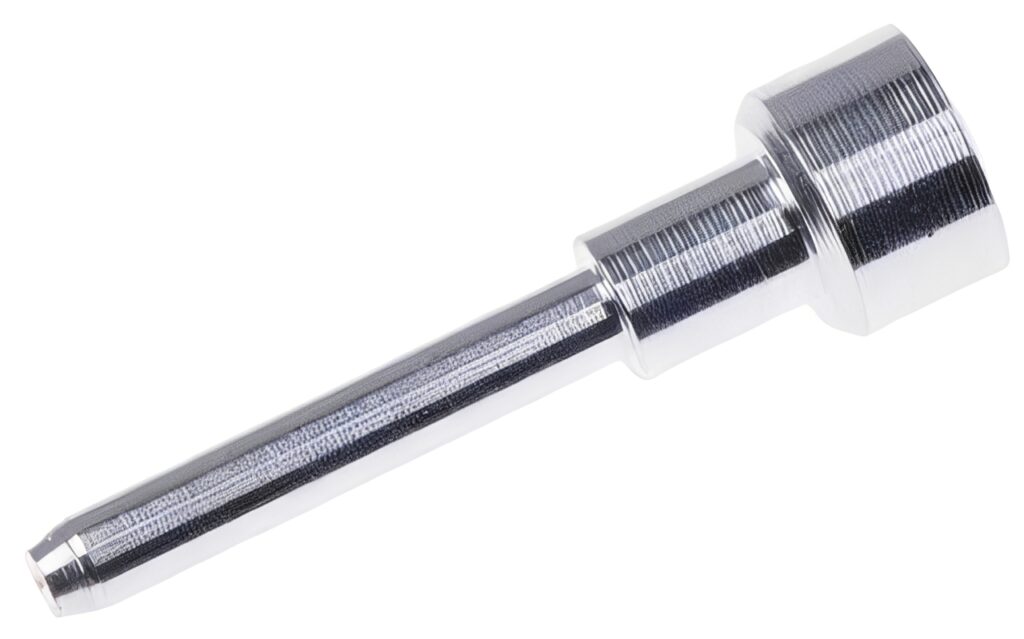
A Timeguard Tappet Pin is a small but important accessory used to set switching times on compatible mechanical timers. Although it is simple in design, it has a very practical purpose in day to day electrical control. By helping define when a timer turns a circuit on or off, the Timeguard Tappet Pin supports reliable scheduling for routine applications where accuracy and consistency matter.
For product focused use, this makes the Timeguard Tappet Pin highly relevant. It is not just a spare component kept on hand without purpose. Instead, it directly helps a mechanical timer perform its switching function. Whether the timer is used in lighting, control panels, or other timed electrical systems, the right tappet pin helps restore or maintain dependable operation.
What is a Timeguard Tappet Pin?
A Timeguard Tappet Pin is a timer accessory designed for use with compatible mechanical time switches. It is placed into selected positions on the timer dial to determine switching points during the operating cycle. As the dial rotates, the tappet pin signals when the timer should activate or deactivate the connected circuit.
This simple method of timing remains useful because it is easy to understand and easy to adjust. Unlike some digital controllers that rely on menu settings and programming steps, a tappet pin gives the user a visible and hands on way to set a schedule. That straightforward function is one reason why the product continues to be relevant in many electrical applications.
Why this product matters in practical use
The value of a Timeguard Tappet Pin becomes clear when considering how many systems still depend on mechanical timing. In many environments, users need reliable switching without unnecessary complexity. Mechanical timers can still provide that, and the tappet pin is part of what allows them to work effectively.
For example, timed systems are often used to operate lighting, signs, panel equipment, and ventilation circuits. These applications depend on regular switching patterns that can be adjusted when needed. The tappet pin gives users the ability to create those patterns with confidence.
This is especially important for product buyers who need a direct replacement part. If a timer is missing a tappet pin or if an old one is damaged, the timer may no longer operate as intended. Replacing that small part can bring the timer back into proper working condition quickly and efficiently.
Main benefits of a Timeguard Tappet Pin
The Timeguard Tappet Pin offers several useful benefits for timer based systems:
- Helps create accurate on and off switching points
- Supports repeatable daily routines
- Makes mechanical timer settings easy to adjust
- Helps maintain reliable timer performance
- Reduces the need to replace the complete timer
- Supports simple manual control in electrical systems
These benefits make the product appealing for users who want a functional and cost effective solution. In many cases, a small accessory like this can make a noticeable difference to the performance of a timer controlled setup.
How the Timeguard Tappet Pin supports timer accuracy
A mechanical timer works best when every part of its control system functions correctly. The tappet pin plays an important role by defining the timing points that guide the switch. Without it, the timer may not be able to follow the required schedule properly.
This matters in installations where regular operation is essential. A timer may be responsible for powering LEDs, switching circuits linked to controllers, or managing intervals for connected electronics. Even though the tappet pin itself does not carry power, it helps determine when the timer tells the system to start or stop.
That timing influence can support better efficiency in everyday use. It can also improve convenience by reducing the need for repeated manual switching. In product terms, this makes the tappet pin a practical component rather than a minor extra.
Where a Timeguard Tappet Pin is commonly used
A Timeguard Tappet Pin can be relevant in a wide variety of timed electrical applications, including:
- Indoor lighting schedules
- Outdoor security or pathway lighting
- Ventilation and circulation control
- Signage and display operation
- Basic control panel switching
- Routine timing for electronics and support circuits
These examples show that the product is useful wherever simple timer based control is needed. It fits especially well in systems where routine switching supports convenience, organisation, and predictable daily operation.
In some environments, timed systems may also work alongside sensors, switches, contactors, and other control products. The tappet pin helps the mechanical timer continue doing its part within that broader setup.
Why mechanical timer accessories still stay relevant
Many modern installations now include smart controllers, digital displays, and programmed scheduling systems. However, mechanical timer products still remain relevant because they are practical, clear, and easy to use. They often suit applications where advanced programming is not necessary.
The Timeguard Tappet Pin supports this traditional but dependable method of control. It allows the timer to be adjusted physically and visually, which many users still prefer. In busy environments, that ease of use can be a real advantage.
This continued relevance is important for electricians, maintenance teams, and product buyers. Instead of replacing an entire working unit, they can often restore the timer by fitting the correct accessory. That saves time and helps maintain continuity in the electrical system.
Product relevance in wider electrical environments
Although the Timeguard Tappet Pin is small, it often works in systems connected with a range of electrical components. Timers may operate alongside connectors, cables, fuses, contactors, and safety devices. In some installations, they may also support equipment linked to thermal control, capacitor based functions, or older controllers used for routine switching.
Even in environments that include laptops, microcontrollers, or microprocessors for other tasks, a mechanical timer can still have a clear supporting role. For example, it may manage a lighting circuit, a fan, or another scheduled device while more complex systems handle separate functions.
This makes the tappet pin relevant to a broad product context. It supports the timing side of a system that may include many different elements, from simple switches to advanced electronics. Because it helps the timer work as intended, it contributes to the overall reliability of the setup.
What to consider before selecting a tappet pin
Before choosing a Timeguard Tappet Pin, the most important step is to confirm compatibility with the timer model. A timer accessory must match the dial and operating design of the unit it is intended for. Correct fit supports correct function.
It is also helpful to think about how the timer is being used. If the timer controls lighting, ventilation, or routine equipment, reliable switching becomes more important. In these cases, the correct tappet pin helps ensure the chosen schedule is followed consistently.
Users should also consider the broader maintenance environment. In settings where tools, grips, oils, thermal pads, and support components are part of regular servicing, simple mechanical accessories can still be highly practical. They are easy to fit, easy to understand, and often easy to replace.
Final thoughts
The Timeguard Tappet Pin is a compact but valuable accessory for compatible mechanical timers. It helps users create accurate switching schedules, maintain routine control, and keep timed electrical systems working efficiently. For product buyers, its relevance comes from its direct role in timer function and its ability to support dependable operation without unnecessary complexity.