
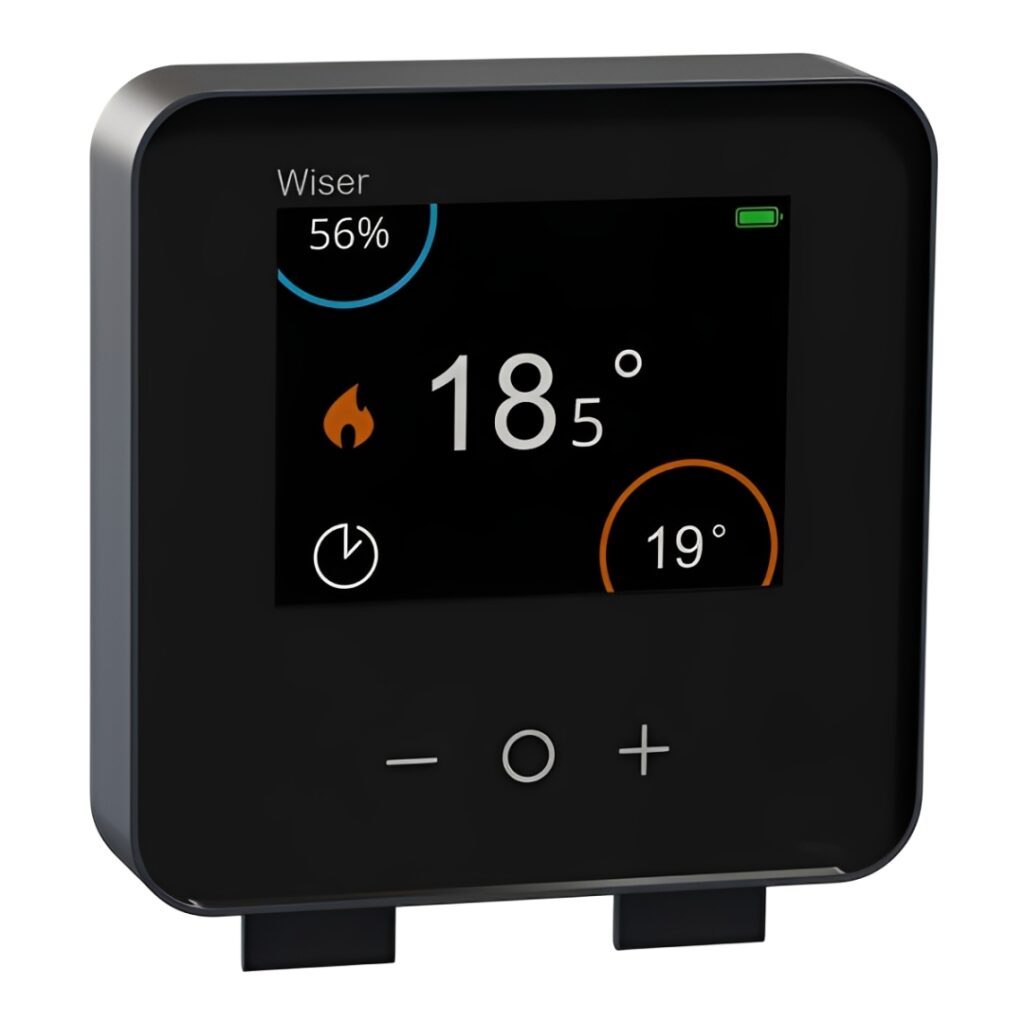
Schneider LCD Display Thermostat
A Schneider LCD Display Thermostat helps you manage indoor comfort with clearer control, steadier temperatures, and smarter energy use. Because the interface is easy to read and adjust, it suits homes, offices, and light industrial spaces where reliable thermal performance matters every day.
What a Schneider LCD Display Thermostat Does in Real Spaces
At its core, a thermostat is a controller that decides when heating or cooling should run. However, an LCD display model makes everyday operation simpler because you can view setpoint, room temperature, and operating mode at a glance.
In practical terms, it helps you reduce temperature swings, improve comfort, and avoid unnecessary run time. As a result, you can often lower energy waste without compromising on consistent indoor conditions.
How the LCD Display Improves Control
An LCD screen supports quick decisions. Instead of guessing, you can confirm settings instantly, then adjust temperature and modes without trial and error.
It also helps when multiple people share a space. For example, facilities teams can set clear parameters, while occupants still understand what is happening and why the room feels the way it does.
Key Features That Make This Thermostat Product Relevant
A Schneider LCD Display Thermostat is designed for stable daily performance, not just occasional adjustments. Therefore, the most valuable features are the ones that keep temperature steady, improve efficiency, and support safer operation.
Accurate Thermal Regulation with Sensors
Most modern thermostats rely on thermal sensors to detect room conditions and respond quickly. When sensors track temperature consistently, the controller can reduce overshoot and avoid frequent cycling.
This matters in environments with heat sources like laptops, microprocessors, LEDs, and other electronics. Because these devices add background warmth, precise sensing helps maintain comfort even when the load changes throughout the day.
Clear Modes, Scheduling, and Setpoints
Depending on the model and setup, LCD thermostats commonly support comfort and economy settings, as well as scheduling. That means you can run warmer or cooler during occupied hours, then relax settings after hours.
Even when scheduling is basic, it still reduces manual intervention. Consequently, you get better control with fewer adjustments and fewer mistakes.
Built for Practical Electrical Integration
Thermostats connect into building systems that may include switches, contactors, and other control components. When installed correctly, the thermostat can drive the right output while maintaining stable control logic.
In many installations, tidy routing of cables and correct terminations through connectors help reduce faults. Good wiring practices also improve safety, especially in busy utility areas where tools are used frequently.
How It Works Inside: From Microcontrollers to Outputs
Although the user experience is simple, the internal control chain is precise. A typical LCD thermostat uses a microcontroller to read sensor input, compare it to the set temperature, and then trigger an output signal.
That output may switch a relay or signal a control circuit. In some systems, it influences contactors that power heating or cooling equipment. Because the logic is consistent, temperature control becomes more predictable and easier to optimise.
Signal Stability and Clean Power
Stable operation depends on clean electrical conditions. While the thermostat itself is efficient, the wider panel may include protection devices such as fuses to reduce risk during faults.
In control panels, you may also see components like capacitor networks for filtering. Although the exact design varies by system, reliable power and proper protection help controllers behave consistently.
Where This Thermostat Fits Best
A Schneider LCD Display Thermostat is especially relevant when you want comfortable spaces, stable control, and clear user operation. It works well in areas where temperature consistency supports people, equipment, or process comfort.
Common fit scenarios include:
- Office spaces where comfort and energy control must balance
- Retail and reception areas where quick adjustments are helpful
- Meeting rooms where occupancy changes often
- Light industrial rooms where electronics and thermal loads vary
- Staff areas where simple controls reduce support calls
Better Comfort Around Electronics and Heat Loads
Rooms filled with electronics can heat up quickly. Equipment like controllers, microcontrollers, laptops, and microprocessors generate heat steadily, while LEDs add background warmth with lower power but continuous output.
Because these loads shift with usage, a responsive thermostat helps maintain comfort without constant manual correction. As a result, occupants feel fewer hot and cold swings during the day.
Installation Considerations for a Reliable Setup
Correct installation makes the thermostat more accurate and more dependable. While the exact steps depend on your system, a few principles consistently improve outcomes.
Placement and Airflow
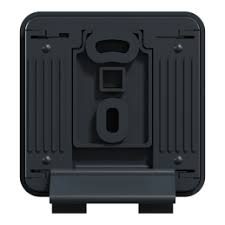
Place the thermostat where it can read true room temperature. Avoid spots with direct sunlight, drafts, or heat sources. For example, mounting too close to a door, a window, or a warm electronics cabinet can skew sensor readings.
Also consider airflow. A thermostat needs exposure to typical room air, not air trapped behind obstacles.
Wiring, Connectors, and Cable Management
Good wiring supports long term stability. Use appropriate cables, secure connectors, and correct terminations so signals remain reliable. Neat routing also makes future servicing safer and faster.
When panels include contactors and other higher current parts, keep control wiring organised and separated where required. This improves signal clarity and reduces accidental interference during maintenance.
Safety Focus During Installation
Electrical work must be done safely and to relevant standards. Use proper tools, isolate power, and confirm connections before energising the circuit.
In practical environments, safety also includes tidy workspaces and stable handling. Using the right grips and insulated tools helps reduce slips and protects both installers and components.
Improving Energy Efficiency Without Losing Comfort
One of the strongest benefits of a Schneider LCD Display Thermostat is better control. When temperature is stable, systems cycle less aggressively. Therefore, you can reduce energy waste while keeping rooms pleasant.
Helpful efficiency habits include:
- Set realistic temperatures instead of extremes
- Use schedule-based setbacks during low occupancy
- Keep doors and windows managed to reduce sudden thermal losses
- Maintain equipment so outputs respond quickly and predictably
Supporting Comfort in Mixed Use Buildings
Many buildings have zones with different needs. A storage area may need basic frost protection, while an office needs stable comfort. Because LCD thermostats provide clear local control, they support zoning strategies that reduce overall energy use.
Maintenance Tips That Keep Performance Consistent
Thermostats are low maintenance, but the surrounding environment affects performance. Dust, vibration, and poor connections can reduce accuracy over time.
To keep control stable:
- Periodically check wiring tightness and terminal condition during planned maintenance
- Keep the thermostat surface clean so airflow around the sensor remains normal
- Verify the setpoint matches the intended building policy
- Inspect nearby control components, including fuses and switches, for signs of wear
Practical Note for Industrial Environments
In light industrial spaces, small details matter. Oils and residue can build up near control areas if maintenance routines are inconsistent. Keeping panels clean and closed reduces contamination risk and supports reliable electronics performance.
In some setups, thermal pads may be used elsewhere in enclosures to manage heat around sensitive components. While not a thermostat part, overall thermal management helps the whole control environment remain stable.
Final Thoughts
A Schneider LCD Display Thermostat is a strong choice when you want visible control, accurate thermal regulation, and a practical interface that supports daily comfort. Because it fits neatly into modern control systems with reliable electronics and clear operation, it stays relevant