
Introduction
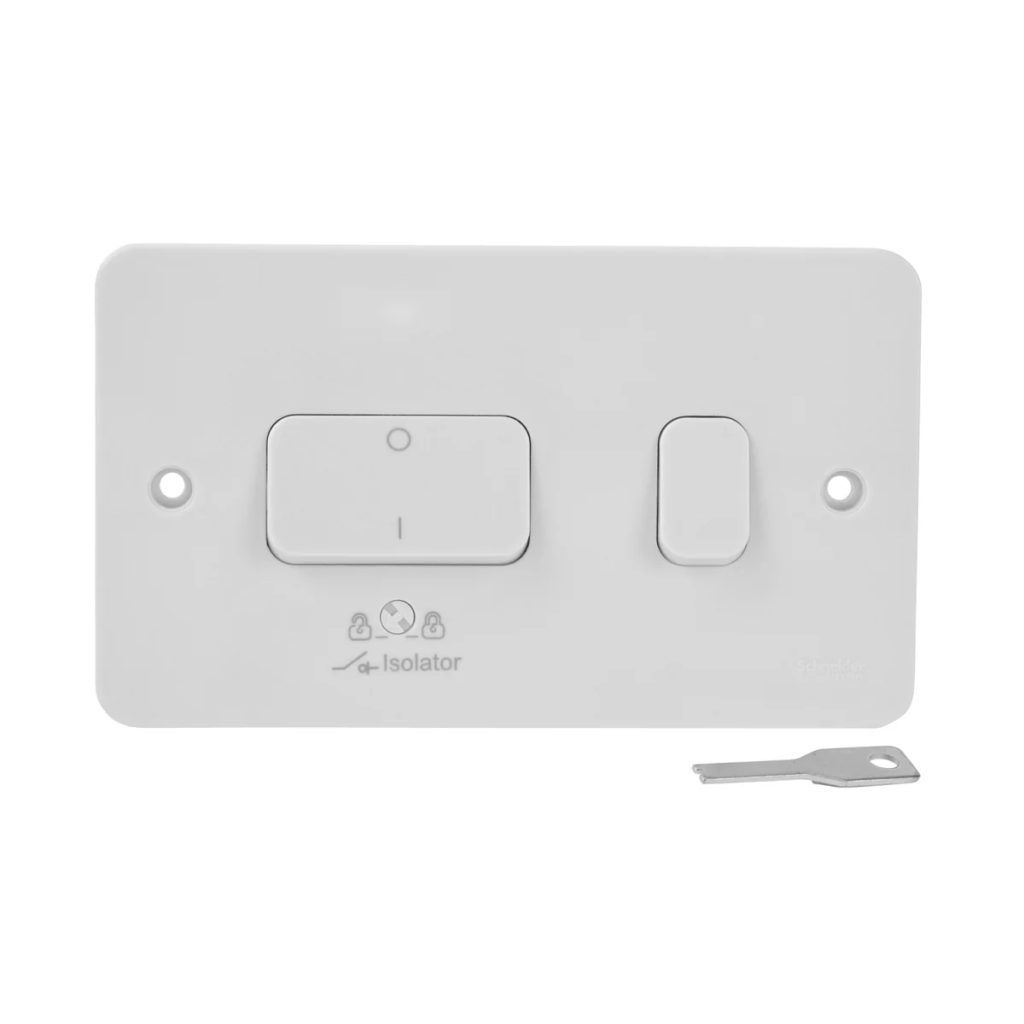
A Schneider Light Switch is a reliable way to control lighting while supporting safety, durability, and a clean finish. Whether you are upgrading a single room or planning a full electrical refresh, the right switch choice helps your lighting feel smoother, more responsive, and better aligned with modern electronics.
Why Schneider switching is trusted in everyday installations
A light switch looks simple, but it handles real electrical load every day. That is why build quality matters. Schneider switching ranges are widely used because they are designed for consistent performance, stable contact action, and dependable operation over thousands of cycles.
Beyond the click, the internal parts matter. Solid terminals help keep cables secure. A well-designed mechanism reduces arcing at the contacts. In turn, that supports long-term safety and reduces nuisance issues like flicker caused by loose connections.
Key types of Schneider Light Switch to choose from
1 gang, 2 gang, and multi gang options
The first decision is how many circuits you need to control from one point.
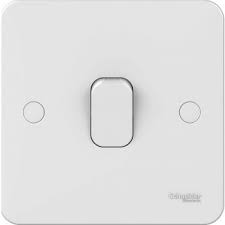
- 1 gang for a single light
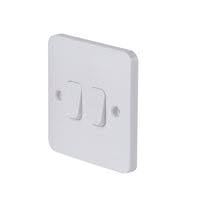
- 2 gang for two separate circuits in the same location
- Multi gang for larger rooms, hallways, and multi zone setups
This is useful when you want separate control for LEDs, accent lighting, or task lighting.
Two way and intermediate switching for stairs and corridors
For stairs, landings, and long corridors, two way switching allows one light to be controlled from two locations. If you need control from three or more points, an intermediate switch is added in the middle.
This layout can reduce wasted energy because people can switch off lights at the nearest point instead of leaving them on.
Push button, retractive, and smart control styles
Some interiors prefer push buttons or retractive mechanisms for use with relays or smart controllers. If you are building a smarter system, the switch may trigger controllers rather than switching the load directly. This approach can be useful where microcontrollers, sensors, or automation rules manage lighting scenes.
Understanding ratings, compatibility, and load behaviour
Current rating and the real load on the circuit
Always match the switch rating to the circuit design. Lighting loads can be small, yet the inrush current for certain LED drivers can be higher than expected. That is why compatibility with LED loads matters.
If you are combining LEDs, dimmers, and drivers, choose switching components that are intended for modern loads. This can reduce buzzing, flicker, and premature wear.
LED lighting and switching performance
LEDs are efficient, but they rely on electronics inside the driver. Poor connections or mismatched components can show up as shimmer, random glow, or unreliable switching. A good quality Schneider Light Switch, paired with correct wiring and appropriate LED products, helps keep behaviour stable.
Environmental factors in kitchens, garages, and workshops
Heat, dust, and moisture can affect components. In spaces with tools, oils, and general workshop residue, use appropriate enclosures and select accessories that support safe fitting. If thermal conditions are high, consider derating advice, safe cable routing, and proper back box spacing.
Safety and wiring basics that protect your installation
This section focuses on practical safety without turning into a wiring lesson. Electrical work should follow local regulations and, where required, be handled by a qualified electrician.
Secure terminations and cable management
Many issues come from loose terminals. When fitting a switch:
- Ensure cables are correctly stripped and fully seated
- Tighten terminals to the manufacturer guidance
- Avoid trapped insulation under the terminal clamp
- Keep conductors tidy to reduce strain behind the plate
Good cable management also helps airflow and reduces heat build-up, especially where thermal pads, insulation, or crowded back boxes affect temperature.
Choosing the right back box depth
A deeper back box can make fitting easier, especially when using thicker cables, extra connectors, or smart modules. It also reduces pressure on terminals, which supports long-term safety.
Protection devices and fault control
A switch is only one part of the system. For overall protection, the circuit should be supported by appropriate devices in the consumer unit, such as fuses or protective breakers. If a fault occurs, protective devices should act quickly to limit risk.
Matching style, finish, and accessories to the room
A switch is part of the visible finish. Choosing a style that fits the room improves the overall feel of the installation.
Plates, modules, and coordinated accessories
If you are updating multiple points, consistent plates and matching modules create a cleaner look. Consider coordinated accessories across the space, such as sockets, data points, and control modules for lighting.
Pairing lighting switches with modern electronics
Many homes now have added electronics close to lighting points, such as smart hubs, sensors, and charging stations. When planning your layout:
- Keep low voltage runs separate from mains where required
- Route cables neatly to reduce interference
- Leave space for future upgrades like smart controllers
This approach supports easier servicing and cleaner expansions later.
Smart lighting control and expansion options
A Schneider Light Switch can be part of a smart lighting plan, even if the switch itself is not a smart device. Many smart setups use a standard switch to trigger a relay, module, or central controller.
Sensors and automation for comfort and efficiency
Smart lighting often includes sensors for motion, occupancy, or ambient light. This can reduce wasted energy in hallways and storerooms. It can also improve comfort when your hands are full.
You can also integrate timed routines, such as evening lighting scenes, or automate switching based on presence. In advanced setups, microcontrollers and dedicated controllers manage logic and send commands to switching modules.
Dimming, scenes, and LED control
If you want dimming, ensure the dimmer is compatible with your LED type. Poor matching can cause flicker and noise. In well-designed systems, dimming improves comfort and can support mood lighting, task lighting, and energy management.
Selecting the right Schneider Light Switch for your project
Before you buy, clarify what you need the switch to do.
A practical checklist for selection
- How many circuits must be controlled at one point
- Whether you need two way or intermediate switching
- What type of load you are switching, including LEDs
- Plate style, colour, and finish to match your interior
- Space in the back box, especially for smart add-ons
- Environmental exposure such as heat, dust, or workshop oils
- Safety needs, including correct circuit protection using fuses or breakers
When to involve a professional
If you are unsure about wiring, circuit capacity, or compatibility with existing equipment, a qualified electrician can confirm correct selection and installation. This protects the system and helps ensure it meets local standards.
Conclusion
A Schneider Light Switch is a practical upgrade that supports safe operation, dependable switching, and a tidy finish across modern interiors. By choosing the right type, matching it to your lighting load, and planning for future electronics such as sensors and controllers, you create a lighting setup that feels smooth today and stays adaptable tomorrow.