
Introduction
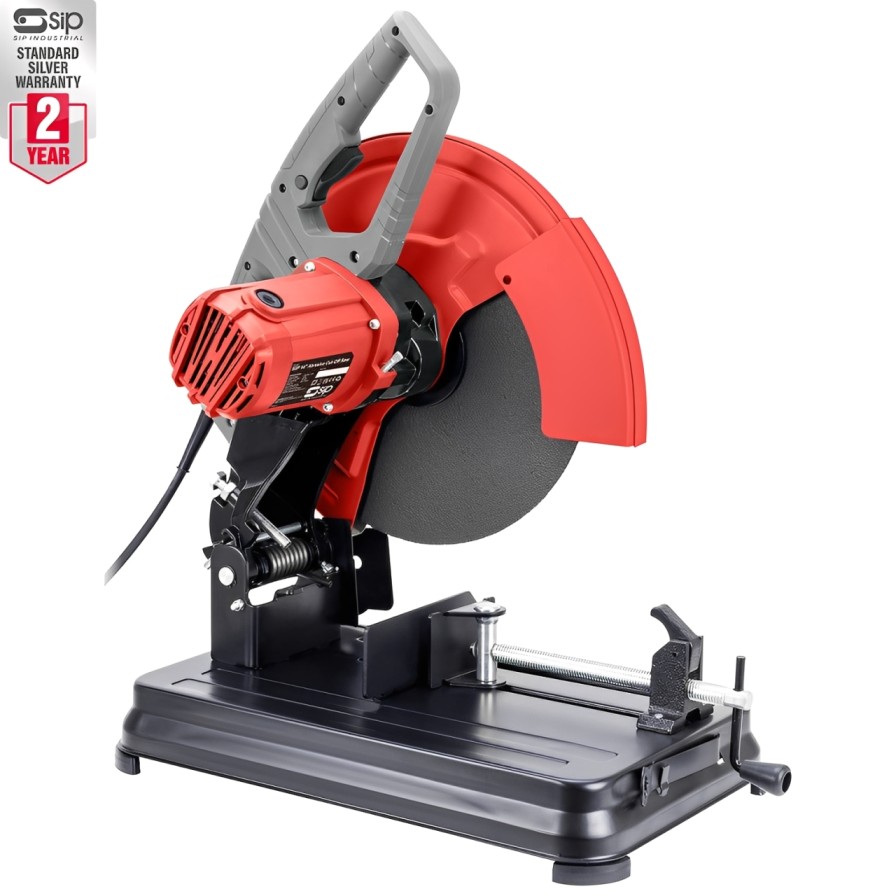
A SIP Corded Circular Saw is built for consistent cutting power when you need reliable results on wood and sheet materials. Because it runs on mains electricity, it can maintain steady torque for repeated cuts without waiting for batteries to recharge. If you want cleaner lines, confident control, and a tool that suits regular workshop or site tasks, this saw is a practical choice.
What is a SIP Corded Circular Saw designed to do?
A SIP Corded Circular Saw is designed to make straight, fast cuts using a circular blade guided by a base plate. It is commonly used for ripping boards, cross cutting timber, sizing plywood, and trimming panels. With the right blade, it can also handle certain plastics and composite sheets, making it a versatile addition to a tool kit.
Key jobs it handles well
- Breaking down sheet goods like plywood and MDF
- Cutting framing timber and boards to length
- Trimming doors, worktops, and panels with guide support
- Creating repeatable cuts for furniture builds and fit outs
Why corded power still matters for cutting performance
A corded circular saw can deliver stable power for longer sessions, which helps when you are cutting dense wood or making repeated passes. This reliability supports smoother feed rate and reduces the urge to force the tool, which also improves safety.
How consistent power helps cut quality
- Supports steadier blade speed for cleaner edges
- Reduces bogging down in thicker material
- Helps maintain accuracy during long cutting sessions
- Limits heat buildup compared to struggling motors, which can affect thermal behavior in components over time
Features to look for before you choose one
When you compare a SIP Corded Circular Saw to other options, focus on the features that directly affect accuracy, comfort, and long term reliability.
Cutting control and adjustments
- Depth adjustment that locks firmly for repeatable settings
- Bevel adjustment with clear markings for angled cuts
- A stable base plate that sits flat without flexing
- Easy access to blade changes with a secure spindle lock
Comfort, handling, and grips
Comfort matters because control comes from stable body position and confident handling. Look for supportive grips with a secure texture, balanced weight distribution, and switches that feel predictable. Better ergonomics can reduce fatigue and improve line tracking.
Safety elements that reduce risk
Safety is not only about guards, it is also about predictable behavior while cutting.
- A responsive lower blade guard that retracts smoothly
- A clear trigger design to prevent accidental starts
- A reliable power switch and cable strain relief
- Compatibility with proper protective gear and safe work practices
How to get accurate cuts every time
Accuracy comes from preparation as much as tool choice. A SIP Corded Circular Saw performs best when you set up the cut path, support the workpiece, and let the blade do the work.
Setup tips that improve results
- Mark your line clearly and use a straightedge guide
- Support both sides of the cut so the offcut does not pinch
- Set depth so the blade only extends slightly below the material
- Start the saw before contacting the work and feed steadily
Common mistakes to avoid
- Rushing the cut, which increases tear out and wandering
- Cutting without support, causing binding and kickback risk
- Using a dull blade, which strains the motor and heats the cut
- Pulling the tool sideways instead of guiding it forward
Blade choices and material matching
The blade determines finish quality as much as the saw itself. Match tooth count and blade type to your material to reduce chipping and improve speed.
Quick blade guidance
- Fewer teeth for fast ripping in thicker timber
- More teeth for smoother cross cuts and sheet materials
- Specialist blades for laminates to reduce splintering
- Inspect blades for damage before use and replace when worn
Cord management, dust control, and workshop readiness
Corded tools bring dependable power, but good cable handling is essential. Route cables behind you and away from the cut line. Keep cables tidy and protected, especially around sharp edges.
Dust, chips, and a cleaner workflow
Dust control supports visibility and protects internal parts.
- Use extraction when possible to keep the cut line visible
- Clean vents regularly so airflow stays strong
- Keep the base plate clear of debris for smooth gliding
This is also where related workshop systems matter. Many setups rely on connectors and switches to manage extraction, lighting, and bench power. A safer workspace often includes properly rated fuses, contactors, and controllers that protect equipment and prevent overload.
Basic care that keeps performance consistent
Regular care helps a SIP Corded Circular Saw stay accurate and dependable. Clean it after use, check the base for damage, and inspect moving parts.
Simple maintenance checklist
- Remove dust from vents and housing
- Check the guard for smooth movement
- Tighten bolts and verify bevel locks hold firmly
- Inspect the power lead, cables, and plug for wear
- Store it dry and avoid exposure to oils that can degrade certain materials
For longer term reliability, some users also keep a small electronics box for workshop spares such as LEDs, a capacitor, or compatible switches used in benches, lamps, or extraction controls. In more advanced setups, microcontrollers and microprocessors may run smart cut list displays or bench monitoring, while sensors can track dust levels or motor load in connected systems.
When is a SIP Corded Circular Saw the right pick?
If you often cut timber, panels, or boards, a corded saw is a strong choice for consistent output. It suits DIYers who want dependable performance and professionals who value steady power during repeated tasks. It can also complement other tools by handling breakdown cuts before you refine edges with other equipment.
Best use cases
- Regular workshop projects needing repeatable cuts
- Site work where continuous cutting is required
- Sheet sizing tasks that benefit from guides and stability
- Jobs where battery downtime would slow you down
Final thoughts on choosing confidently
A SIP Corded Circular Saw is a practical tool for clean, controlled cutting when you want steady power and predictable handling. Focus on build quality, safety features, comfort, and blade compatibility, then pair it with good setup habits. With the right technique and basic care, it can deliver reliable results across many everyday cutting tasks.