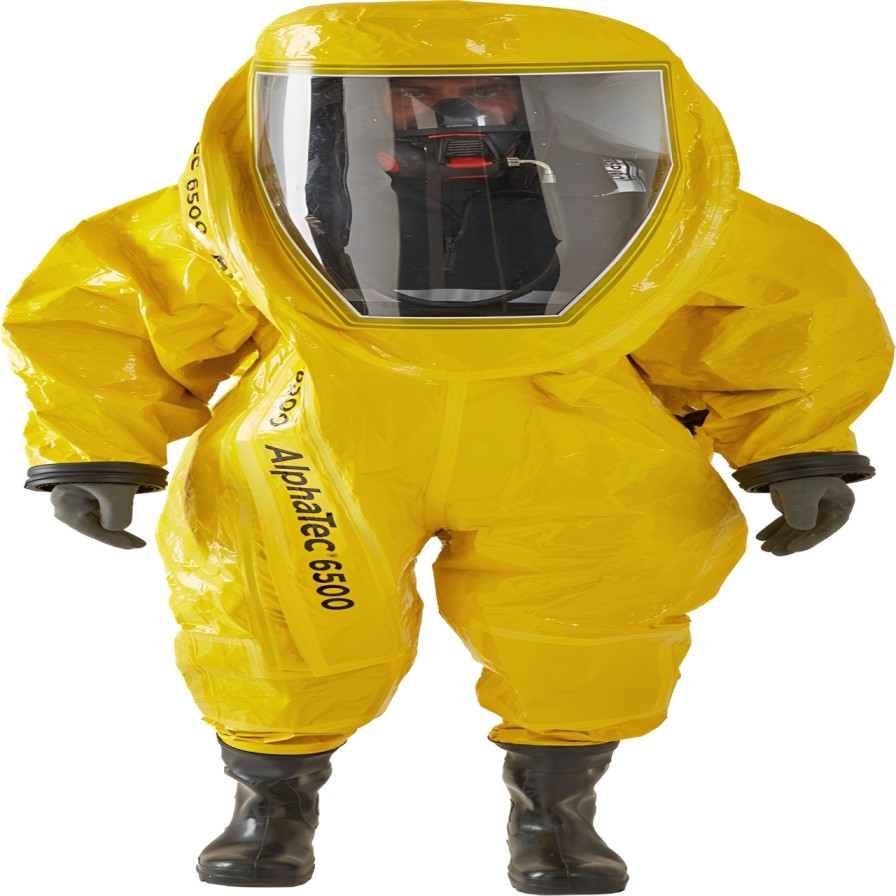
Ansell Yellow Coverall
When workplace risks are non negotiable, an Ansell Yellow Coverall is built to help you stay protected while keeping movement simple and efficient. Whether you work around dust, light chemical splash, oily surfaces, or messy maintenance tasks, this coverall is designed to support safer routines without slowing you down.
Moreover, the bright yellow colour improves visibility on busy sites. That makes it easier for teams to spot workers quickly in warehouses, workshops, and plant environments where safety and awareness matter.
What Is an Ansell Yellow Coverall and Where It Fits
An Ansell Yellow Coverall is protective workwear designed for industrial and trade environments where contamination, splash exposure, and surface grime are common. It is typically used in maintenance, cleaning, inspection, manufacturing, and general site operations where reliable coverage reduces risk.
Because different sites demand different protection levels, selecting the right coverall should always match your hazard profile. For example, a coverall used near oils and cleaning agents may require better liquid resistance, while tasks near fine particles may require improved barrier performance and secure closures.
Common Use Environments
- Industrial maintenance and repair areas
- Warehouses handling packaged chemicals and supplies
- Electronics assembly zones where contamination control matters
- Utility work sites with dust, oils, and general grime
- Workshops using tools, grips, and lubricants for mechanical tasks
Key Benefits That Make This Coverall Product Relevant
Choosing a coverall is not only about fabric, it is about how the garment performs during real work. An Ansell Yellow Coverall is valued because it focuses on practical coverage, dependable closures, and comfort that supports longer shifts.
Visibility and Site Awareness
Yellow improves visibility under mixed lighting. As a result, teams can coordinate more safely around moving equipment and crowded aisles.
Full Body Coverage That Reduces Exposure
A well designed coverall helps protect clothing and skin from light splash, dust, and general contamination. Additionally, it reduces the chance of transferring residues from one area to another.
Comfort That Supports Movement
Work requires bending, reaching, and lifting. Therefore, a coverall must allow movement without constant adjustment. Good fit and sensible panel design help reduce snagging and friction across the shoulders, knees, and back.
Material Considerations and Protection Performance
Coverall performance depends heavily on the material and seam construction. While models vary, you should always evaluate the barrier needs for your job and confirm the intended protection class before purchasing for regulated environments.
Practical Protection Scenarios
An Ansell Yellow Coverall is commonly selected for situations such as:
- Dust control during cleaning and general site work
- Light splash risk from oils and mild chemical solutions
- Reduced contamination in controlled workflows
In addition, it can be useful in mixed environments where workers shift between mechanical work and nearby electronics handling. In those cases, keeping clothing clean helps protect sensitive components like sensors, microcontrollers, and controllers from accidental contamination.
Fit, Closures, and Comfort Features to Look For
Even strong materials fail in practice if the fit is wrong. To get real value from a coverall, focus on how it seals and how easily it can be donned and removed.
Fit and Mobility
Look for a fit that supports movement without excess fabric that catches on cables, connectors, or switches. At the same time, avoid a tight fit that limits bending or causes seam stress.
Closures and Sealing Areas
A secure front closure reduces exposure and helps keep dust out. Similarly, well designed cuffs and ankles reduce gaps that can allow particles or splashes to reach inner clothing.
Practical Worksite Comfort
During long shifts, heat and moisture management matter. If your environment is warm or you work near thermal sources, pay attention to breathability and how the garment handles sweat. This is especially important when working near thermal equipment, thermal pads used in electronics, or areas with heat producing contactors and power tools.
How to Choose the Right Ansell Yellow Coverall for Your Task
To choose correctly, start with the hazard, then match features that solve that hazard. This approach is faster and prevents overbuying or under protecting.
Step by Step Selection Checklist
- Identify primary risk: dust, splash, oils, or contamination control
- Check if hooded design is needed for overhead work
- Confirm closure type and how well it seals at the neck
- Review cuff and ankle fit for your footwear and gloves
- Consider mobility needs based on your tools and working posture
- Verify compatibility with other PPE, especially gloves and masks
Matching with Other PPE
Coveralls work best as part of a system. For example, when handling lubricants or oils, pair the coverall with gloves that provide solid grips and chemical resistance. Likewise, in environments with electrical work or assembly tasks, ensure the coverall does not snag on cables, connectors, or small parts near LEDs, fuses, and switches.
Real World Workflows Where This Coverall Helps
An industrial site is rarely a single hazard zone. Workers may move from mechanical service to inspection, then to light assembly. Therefore, a versatile coverall can reduce downtime between tasks.
Maintenance and Mechanical Zones
Maintenance teams often deal with oils, grime, and repeated contact with tools. In these workflows, a coverall helps reduce skin exposure and keeps personal clothing cleaner. It also supports safer practices when handling parts near contactors, switches, and fuses.
Electronics and Component Handling Areas
While coveralls are not a substitute for ESD gear when required, cleanliness still matters. Dust and residues can interfere with sensitive electronics, including sensors, microprocessors, and capacitor assemblies. A clean outer layer helps minimise unwanted contamination during handling or installation.
Logistics, Packing, and Warehouse Operations
In warehouses, workers may handle cartons, move stock, and work near equipment routes. Yellow visibility supports safety awareness, while full body coverage helps protect clothing from dirt and warehouse dust.
Storage, Handling, and Use Best Practices
A good coverall lasts longer and performs better when used correctly. Additionally, good handling reduces cross contamination in sensitive areas.
Before Use
- Inspect for tears, weak seams, and damaged closures
- Confirm the size allows safe movement without gaps
- Ensure gloves and footwear overlap cuffs and ankles
During Use
Move carefully around cables, connectors, and sharp edges. Also, avoid unnecessary contact with contaminated surfaces whenever possible, because this reduces transfer to clean zones.
After Use
- Remove the coverall in a controlled way to avoid touching contaminated outer surfaces
- Dispose of or launder according to the intended use type and site policy
- Store replacements away from direct heat and high humidity
If you work in environments with thermal exposure, store protective garments away from hot surfaces and equipment areas. This is especially important near heat generating electronics, laptops used for diagnostics, and industrial controllers that may run warm during operation.
Conclusion: A Practical Safety Upgrade for Demanding Work
An Ansell Yellow Coverall is a practical choice for workers who need reliable coverage, improved visibility, and comfortable movement across busy industrial tasks. It supports safety focused routines, reduces clothing contamination, and fits naturally into workflows that involve tools, grips, oils, and mixed environments that may include electronics like sensors, microcontrollers, switches, connectors, LEDs, fuses, and contactors.